Getting Started with Watercolour Basics
Essential techniques for mixing colours, controlling water, and creating your first washes. Perfect for complete beginners.
Why Watercolour is Perfect for Beginners
Watercolour gets a reputation for being difficult. But here's the thing — it's actually one of the most forgiving mediums to start with. You don't need expensive equipment, your mistakes teach you more than they discourage you, and there's something genuinely magical about watching colour bloom on wet paper.
We've taught hundreds of adults — from complete beginners to people who tried painting decades ago — and they're always surprised by how quickly they see results. Most people create something genuinely worth keeping in their first session. Not a masterpiece, but something real. Something they made.
The Foundation: Water Control
This is the one thing that separates beautiful watercolours from muddy disasters.
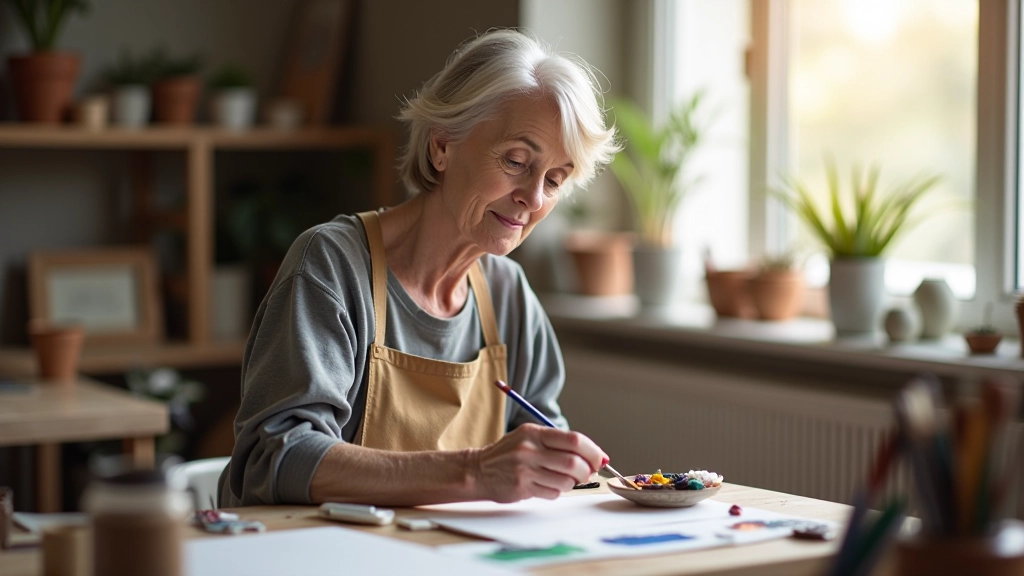
Watercolour isn't paint — it's paint suspended in water. And that water is doing all the work. You'll hear artists say "respect the medium" and they're really saying "respect the water." Too much and your painting becomes a puddle. Too little and you can't move colour around.
Here's what actually works: Keep two water containers next to you. One for cleaning brushes (change this regularly, it gets murky), one for your painting water. Don't pour water straight onto the paper — use your brush to control it. Load your brush with water, touch it to the paper, and watch how the water travels. That's the skill.
Pro tip: Your paper should look wet but not pooling. If water's sitting in puddles, tilt the paper slightly or blot with a clean brush. If the paper looks dry, add more water. You're aiming for that sweet spot in between — takes maybe three attempts to feel it.
Mixing Colours That Actually Work
Forget the theory. Here's what you actually need to know.
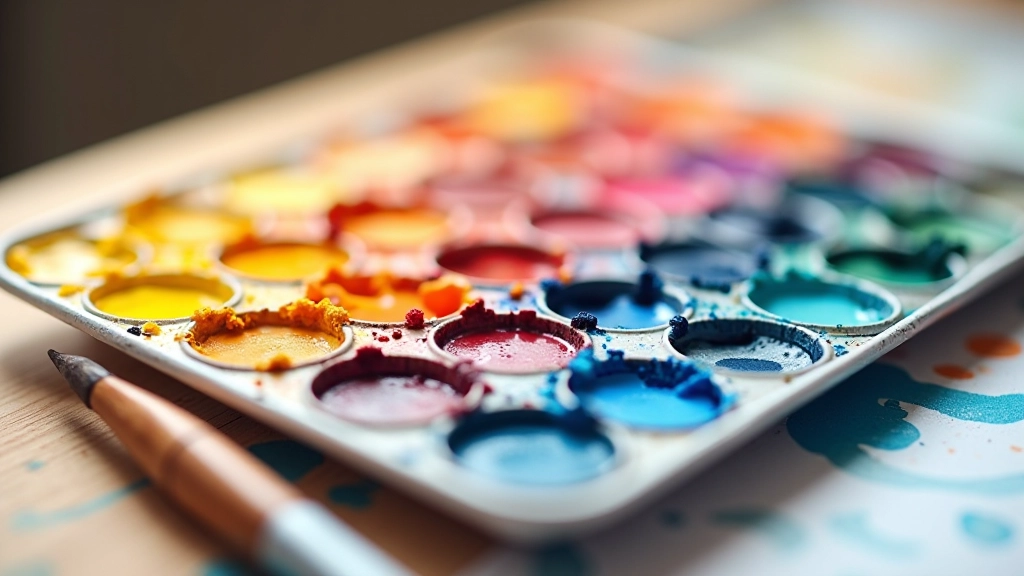
You'll read about colour theory and it's mostly true but mostly overwhelming. Let's simplify. Get a basic set with the primary colours — red, yellow, blue — plus a couple of earth tones if you can. That's genuinely enough for your first year.
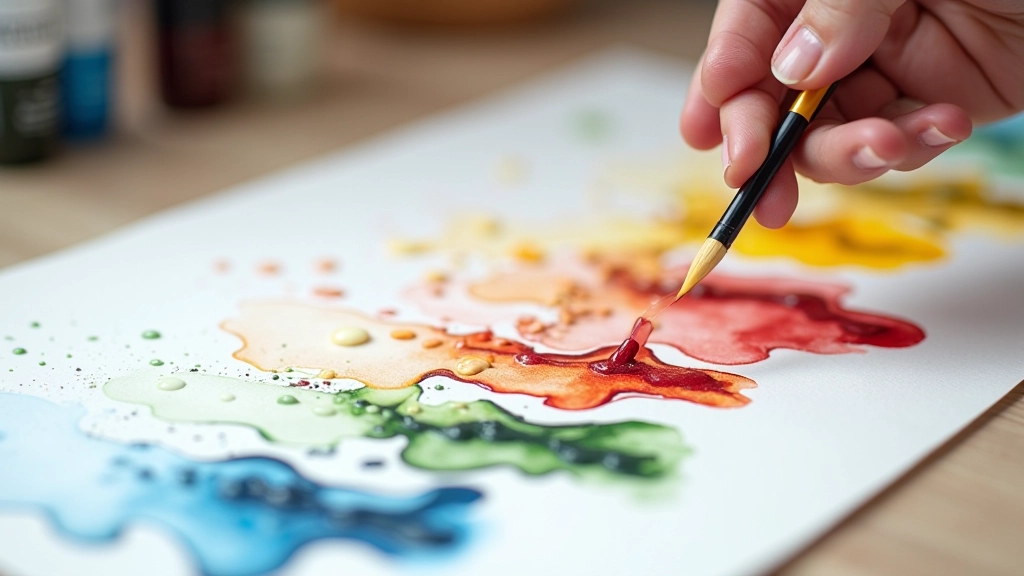
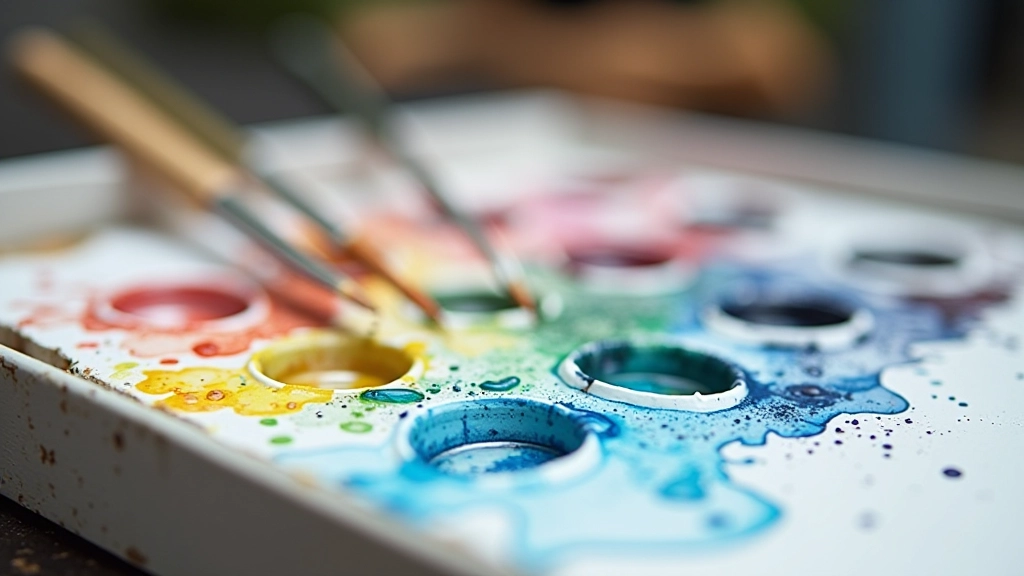
When you mix colours, do it on the paper, not in your palette. Seriously. Put down a wash of yellow, let it dry just enough that it's not dripping, then drop blue on top. The colours will blend naturally where they meet. It's more interesting than premixing everything. You'll get greens that look alive instead of muddy.
One thing that matters: clean your brush between colours. A bit of dirty water in your mix isn't disaster — but enough makes everything look dull. So rinse properly. Takes ten seconds and changes everything.
Creating Your First Washes
A wash is just diluted colour. But it's the foundation for everything.
Prepare Your Paper
Wet the entire paper with clean water using a large, soft brush. Don't scrub — just let the water settle in. The paper should have a slight sheen, not pooling water.
Load Your Brush
Pick up colour on a wet brush. You're looking for something like milk — diluted enough to flow, concentrated enough to have colour. Test it on the edge of your paper first.
Apply Freely
Drag your brush across the wet paper. The colour will spread naturally. Tilt the paper if you want it to flow in one direction. Watch it happen — don't overthink it.
Let It Dry
Walk away. Seriously. Your instinct will be to keep working it. Don't. Let the wash dry completely. Takes 20-30 minutes depending on paper thickness and how wet you made it.
What to Practice First
You don't need to paint masterpieces. You need to understand how your materials behave.
Wet Paper Exercises
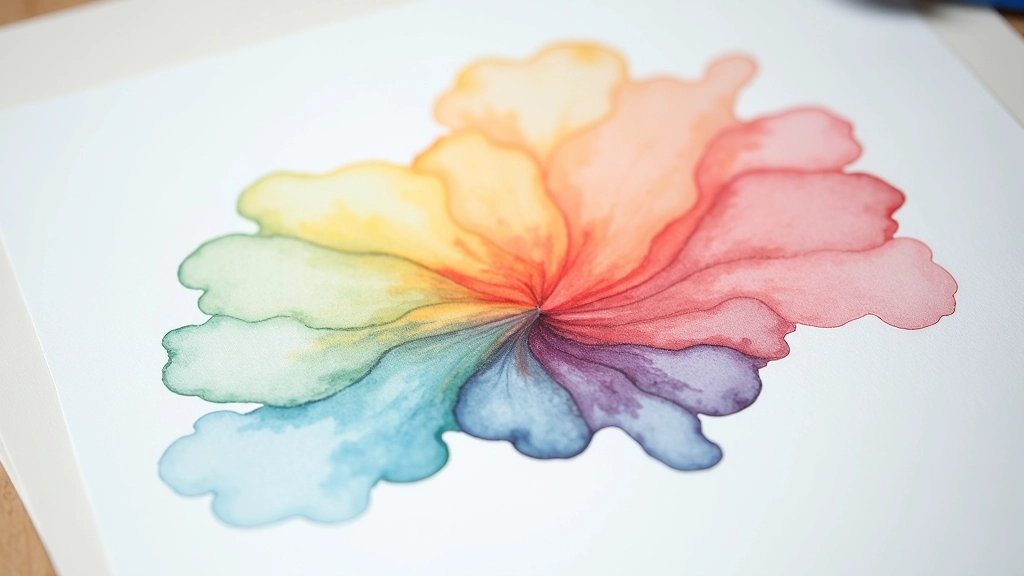
Spend a session just making washes. Different colours, different water amounts. Watch how a wet paper takes colour. Don't judge them — just feel how the medium responds to what you're doing.
Colour Mixing Tests
Mix primary colours together and see what you get. Keep these tests. In three months you'll look back and see how much your colour sense improved. It's surprisingly motivating.
Simple Shapes
Paint simple geometric shapes — circles, rectangles, triangles. Work on getting clean edges and even colour. These fundamentals matter more than you'd think.
Texture Exploration
Use salt on wet washes. Spatter colour with a dry brush. Drop water into wet colour. Break rules and see what happens. This is where discoveries live.
The Honest Equipment Talk
You don't need to spend money. You need to start.
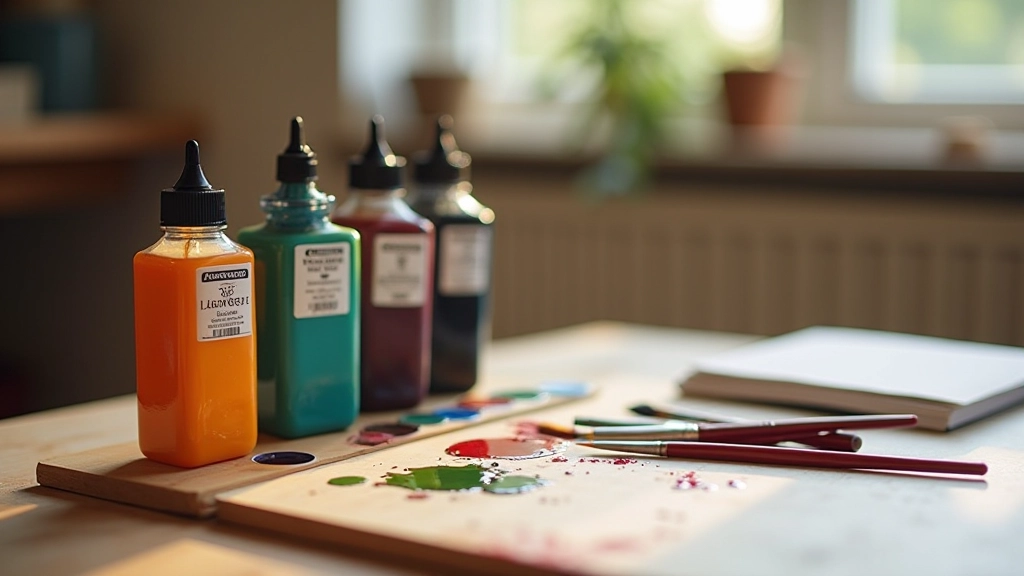
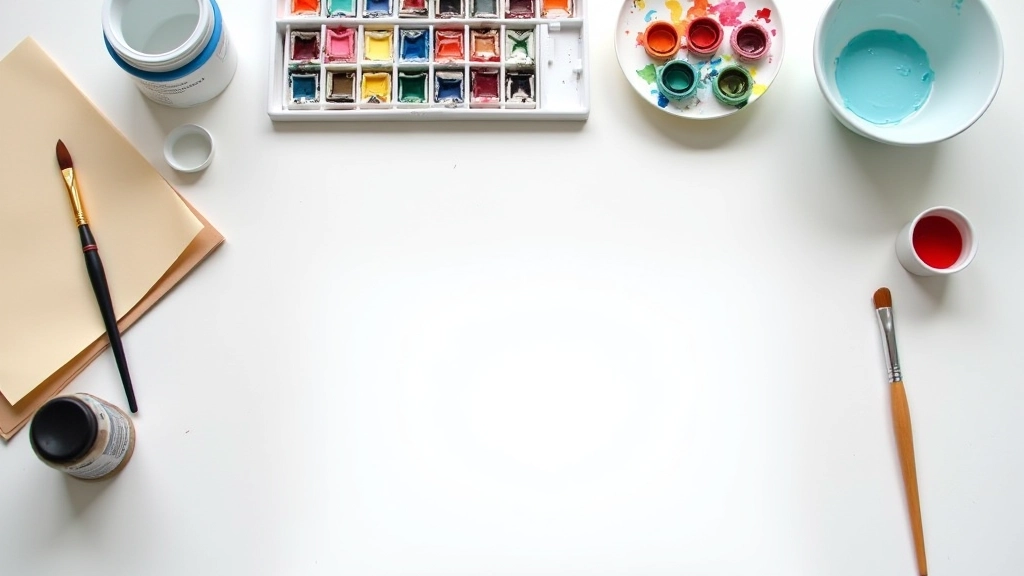
Here's what you actually need: watercolour paints (doesn't matter if they're student grade), brushes (a couple of soft ones, a couple of stiff ones), watercolour paper (the most important part — regular paper falls apart when wet), and water. That's it. Maybe €25 total if you shop smart.
Paper matters more than paint. Bad paint teaches you bad habits. Bad paper teaches you that you'll never be good at this. It's not true. Real watercolour paper has sizing that lets you control the water. It doesn't disintegrate. It costs a bit more but it's worth every cent for your confidence.
Brushes: You don't need sable hair. A mix of synthetic brushes works fine. One large flat brush for washes, one medium round for details, one stiff brush for texture. Start there. As you get more serious, you'll figure out what you actually want.
Don't overthink this: Spend €20-30 on basic materials. Spend the next year getting good. Then if you want fancy brushes and professional-grade pigments, you'll know why they matter. Right now? You don't need them. You need practice.
Your Next Step
You've got the basics now. Water control, colour mixing, washes — these are the foundations. You don't need to be perfect at any of them. You just need to start trying.
The real learning happens when you sit down with your materials and make something. Not a masterpiece. Just something. Your brain will figure out what works and what doesn't. You'll make mistakes and they'll be way more valuable than any perfect practice exercise.
Most people don't start because they think they need to be good first. But you get good by starting. By making bad paintings and learning why they're bad. By discovering that painting's more fun when you stop worrying about the result and focus on the process.
Ready to give it a try? Our beginner watercolour workshops run Tuesday and Thursday evenings. No experience needed. Just bring yourself and we'll handle the rest.
Explore Our ClassesEducational Disclaimer
This guide provides educational information about watercolour painting techniques. Individual results vary based on practice, materials, and personal learning style. The techniques described are general approaches — your personal experience with watercolour will be unique. We encourage experimentation and developing your own artistic voice through practice and hands-on learning.
Related Articles